
3rd place · Social Innovation, Education and Community Development · Tara's Circle 2026
In Chile, 7 million people are over 50, and almost half of older adults say they feel lonely. In 2016 the figure was 40%; by 2022, it had reached 49%. At the same time, almost nothing in the digital world was designed for them.
WHO IS BEHIND IT
Michelle Schnitzer Raab saw that gap and asked herself: what if turning 50 meant joining a community, not stepping aside?
In 2022 she founded BondUp, Latin America's first social network for people over 50.

Founder Michelle Schnitzer Raab
The proyect
BondUp brings people together through neighbourhood and interest-based WhatsApp groups, hundreds of activities and workshops every month, and a discounts hub.
It also has a physical presence: in a Santiago shopping centre it opened Espacio Silver, a space entirely dedicated to people over 50. The community is mostly female, especially women aged 50 to 64.
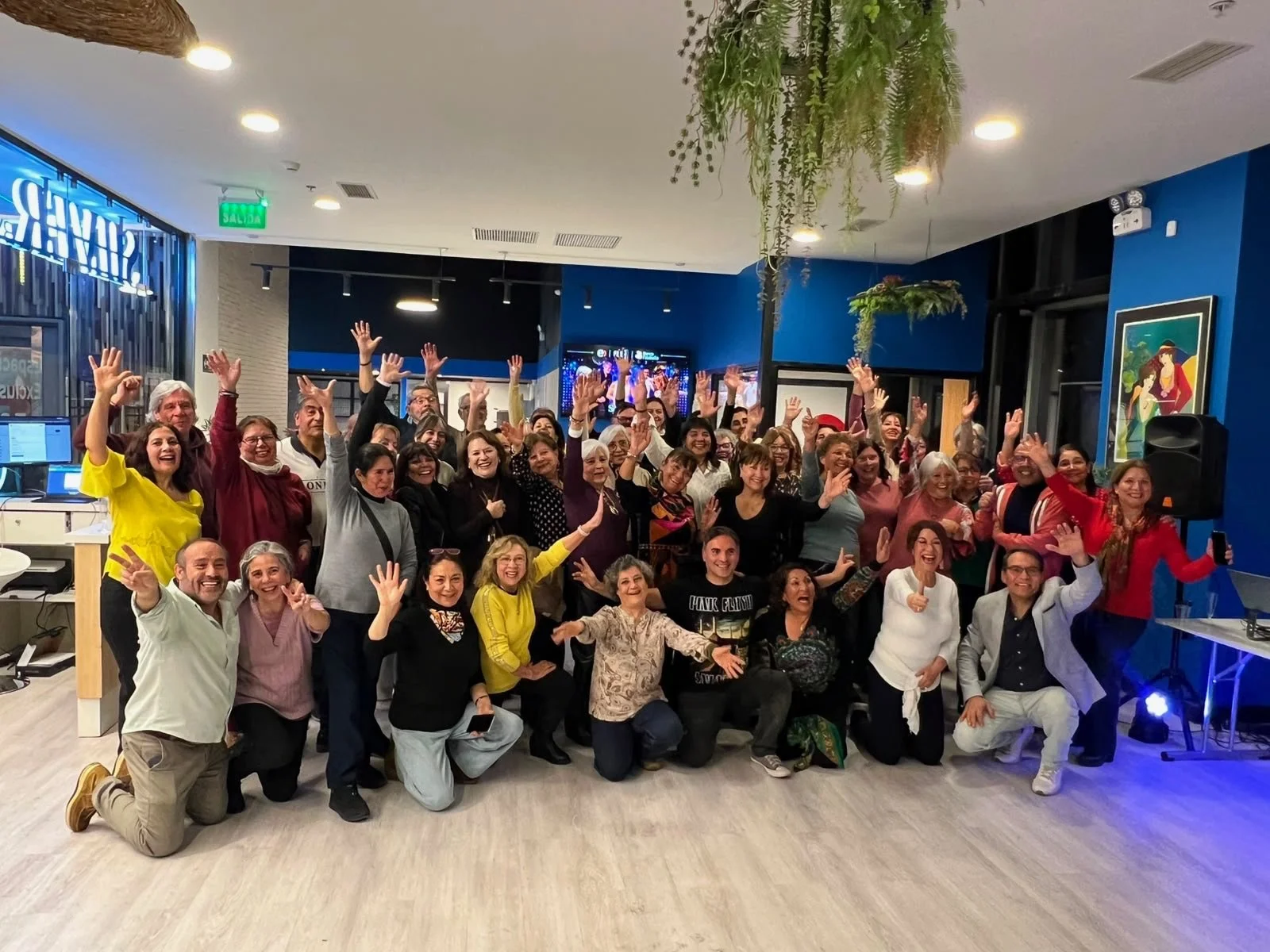
Their impact
1.Tackling loneliness
real-life meetups, new friendships and a community that stands by you.
2.Digital and in-person, together
a model that combines an online community with a physical space for people over 50.
3.Active ageing
activities, learning and participation.

Recognition
• Winner of the SilverEco Awards 2026 in Cannes.
• Michelle Schnitzer was named one of Chile's 100 Young Leaders (2024) and has spoken at TEDx.
Why it matters
Loneliness affects health as much as happiness. And for many women over 50, it comes with another barrier: being pushed out of the labour market. That is why BondUp's next step is a job platform for people over 50, so they can keep working, earning and contributing.
At Tara for Women, we are proud to celebrate BondUp, 3rd place in the Social Innovation, Education and Community Development category of Tara's Circle 2026.
Congratulations, Michelle and the whole BondUp team. You prove that the best connections have no age limit.